Stone Patio Restoration: Tips and Techniques for Repairing Your Outdoor Space
With stone patio restoration, it is essential to start with professional cleaning services to remove dirt, grime, and any previous sealants. After cleaning, consider applying a high-quality stone sealer to enhance waterproofing, stain resistance, and overall protection against environmental elements. Additionally, addressing any cracks or damage with appropriate repair techniques can help ensure the longevity and aesthetic appeal of your stone patio. Contact our experienced professionals for expert guidance and services tailored to your specific needs.
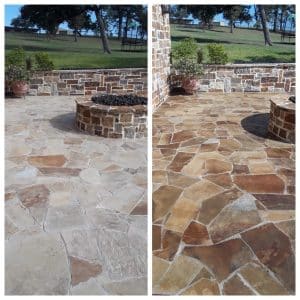
Preventing dirt and water buildup in your stone is key to preserving its durability. Let us seal it for you!
Steps of Stone Patio Restoration
Step I – Initial Assessment
The initial assessment is akin to giving your stone patio a thorough health check-up. This process involves looking for damaged stones, loose joints, and areas with excessive dirt or staining. Identifying these elements will give us a clear idea of where we need to focus our efforts.
Creating a detailed plan outlining what needs to be repaired or replaced saves time in the long run and keeps us organized. Here’s where we establish our priorities; everything gets compiled into a well-organized plan that guides us through the restoration journey.
Step II – Surface Cleaning
Imagine this step as giving your stone patio a thorough spa treatment. Power washing and gentle scrubbing are used to remove any accumulated dirt, grime, and moss that has taken up residence over time.
Some might wonder—is power washing absolutely necessary? Well, it gives a deep clean that digs out ingrained dirt and revives the natural color of your stone. We don’t want any hidden surprises after we start repairing and sealing; ensuring the surface is completely clean ensures our subsequent restoration steps are successful.
Step III – Joint Cleanout
Cleaning the joints is like cutting away frayed ends before stitching torn fabric—it’s about restoring strength and stability.
A worn joint can contribute to stone movement and potential trip hazards if left unresolved. By removing old sand or other jointing material between the stones, we’re setting the stage for secure refilling with new material.
That brings us to an interesting dilemma—how do you replace a damaged or cracked stone? Let’s explore that in our next step!
In the world of stone restoration, each meticulous task paves the way for flawless outdoor spaces. The domino effect of care and technique is essential for maintaining pristine patios.
Cleaning the Surface
Cleaning the surface of your stone patio forms the cornerstone of all subsequent restoration efforts. It’s akin to scrubbing the canvas before painting a masterpiece—essential for the artful transformation to truly shine.
An excellent tool for cleaning stone surfaces is a power washer, but it’s crucial to use it with caution and set the pressure to medium. Excessive pressure can damage the stone, particularly if it has cracks or natural imperfections. Think of it like washing your car; too much pressure on the paint job can strip away its gloss.
For tough stains, using a pH-balanced stone cleaner mixed with water and a gentle scrub brush is recommended. It’s like using a stain remover on your clothes—the right product makes a significant difference. After applying the cleaner, ensure to rinse off any residue thoroughly and give the patio adequate time to air dry. This allows you to start fresh and prepare for any necessary repairs or sealing.
If handling these tasks seems overwhelming or you’re concerned about damaging your patio, professional help from Texas Stone Sealers can be invaluable. Our trained experts offer professional surface cleaning services without causing damage while preparing your patio for restoration.
In conclusion, cleaning seems like just one small part of the process, but it’s a vital first step that lays the groundwork for ensuring that your stone patio is not only restored but continues to look great for years to come.
Joint Cleanout and Refill
So, your stone patio has been in place for some time. You’ve used it for countless barbecues, gatherings, or simple solitary moments of tranquility. However, with time comes a bit of wear and tear on the joints between the stones. Follow me to explore how to revitalize these joints, freshening up your outdoor space.
Removing old jointing material is like cleaning a fresh canvas before starting an artwork. A specialized joint scraper or a flat-head screwdriver is perfect for this task. The goal here is not to rush it; rather, treat it gently, focusing on removing remnants of the old jointing material without damaging the edges of the stones. Taking time here is our best bet.
Once the old material is removed, it’s crucial to prepare for the refill phase. Here’s where we mix new jointing material – following the manufacturer’s guidelines carefully. In most cases, polymeric sand is an excellent choice for refilling. This special kind of sand hardens upon contact with water, providing stability and resistance against pesky weeds that might try to make their home in your freshly redone joint.
Now comes the grand reapplication step. Picture it as laying a new foundation for your outdoor haven. It’s absolutely crucial to evenly distribute the new jointing material between the stones, ensuring complete coverage. A broom can be used to sweep the material into the joints thoroughly. After this, a plate compactor should be gently maneuvered over these joints to settle the material firmly in place—similar to pressing down soil when planting seeds in a garden bed.
By taking careful steps during these processes, you’re ensuring that your beautiful stone patio continues to stand strong against the test of time, ready for many more warm gatherings and quiet nights under the stars.
In caring for our outdoor havens, understanding how our stone patios are comprised and maintained can offer us greater insight into techniques such as aggregate and sanding methods that further elevate the allure of our spaces.
Aggregate and Sanding Techniques
When restoring a stone patio, the foundation is key. First, let’s talk about the aggregate. It’s the base layer that ensures everything stays in place for years to come. Using high-quality aggregate material is crucial because it sets the stage for a sturdy, solid foundation.
So, start by spreading a layer of this aggregate. Then, compact it thoroughly with a hand tamper or a plate compactor. Compacting eliminates any gaps or air pockets below the surface that could lead to instability down the line. It’s like building a house; you wouldn’t want to skimp on the concrete foundation – think of this as the same idea for your patio!
Once our base layer is secure, it’s time to move onto sanding. We’re not using regular old sand—our secret weapon here is polymeric sand. This special and resilient material bonds together tightly when wet and hardens when dry, providing a long-lasting setting for your stone layout.
The technique involves filling in all the joints between your stones with this magical polymeric sand. The bonus? It keeps weeds from popping up between your stones.
I like to think of polymeric sand as invisible guardians of my precious patio stones—they keep things snug and tidy just like little locks between each stone.
Here at Texas Stone Sealers, our team has mastered the art of using top-grade aggregate and polymeric sanding materials that guarantee long-lasting results. From selecting the right materials for your specific project to applying them with expert precision, we ensure that your patio restoration lasts for years because here at Texas Stone Sealers, we always deliver top-notch quality.
Repairing and Reconstructing Patio Stones
When dealing with stone replacement, it’s crucial to exercise caution. If you have any broken or severely damaged stones in your patio, replacing them with matching stones will help you maintain uniformity. Not only can broken or cracked stones be unsightly, but they can also pose a tripping hazard, making it essential to promptly address any damage.
Matching the new stones to the existing ones is vital for upholding the visual appeal of your patio. Even if the replaced stones are in less noticeable areas, such as along the edges, maintaining uniformity throughout the patio ensures a polished and cohesive look. It’s important to ensure that the new stones are cut or shaped to match the surrounding stones for a seamless integration.
In addition to replacing missing stones, reinforcing the edges of your stone patio is another critical element in its maintenance. Over time, stones can shift due to natural movement or alterations in the ground beneath them. To counter this, adding edging or curbing materials helps prevent stone shifting, thereby maintaining the patio’s structural integrity and prolonging the lifespan of the stones.
Edging not only serves a functional purpose but can also complement the aesthetic appeal of your patio by providing a clean, finished look while maintaining the shape and stability of the stone layout. These materials come in various shapes, sizes, and materials, allowing you to choose an option that best suits your patio’s design. For instance, you might opt for natural stone edging to blend seamlessly with your patio’s stonework or choose metal edging for a sleek and modern look.
Additionally, if your patio features stones set in mortar, it’s crucial to regularly inspect and maintain these areas. Mortar repairs play a significant role in ensuring the structural integrity and appearance of your patio. Repointing any areas where the mortar has degraded helps uphold the foundations on which your patio stands.
Mortar degradation is not only unsightly but also poses a risk to the stability of individual stones and their overall arrangement. Regular inspection followed by appropriate repointing works as essential maintenance to address any signs of mortar wear.
Applying Sealant and Resealing
Selecting the right sealant for your stone patio is crucial to enhance its durability and maintain its appearance. Natural stone needs a specialized sealant that can effectively protect it from environmental factors such as water damage, foot traffic, saltwater, and chlorine. At Texas Stone Sealers, we take pride in using state-of-the-art sealants tailored to different types of stone. Whether it’s flagstone, limestone, travertine, paver stone, or concrete pavers, each type of stone requires a specific type of sealant to ensure maximum protection.
Before the application process, it’s essential to ensure that the patio surface is clean and dry. Any dirt, debris, or moisture on the surface can affect how the sealant adheres to the stone. This involves power washing the patio to remove any accumulated grime or stains and allowing it to dry completely. A well-prepared surface ensures that the sealant can fully penetrate and bond with the stone for long-lasting protection.
When applying the sealant, an even coat is crucial for uniform protection. This can be achieved using a low-pressure sprayer or a paint roller, depending on the texture and size of the patio’s surface. Proper application techniques are vital to ensure complete coverage without leaving any areas exposed to potential damage.
After the first coat has been applied, allowing adequate drying time is critical before applying a second coat. Following this procedure ensures that each layer of sealant sets properly and combines to form a robust protective barrier. The curing time may vary based on factors such as temperature and humidity; hence, it’s important to follow the manufacturer’s instructions closely. A sealed patio should typically be left untouched for 24-48 hours after application to allow the sealant to cure completely.
By using these expert-recommended techniques during the application process and following appropriate curing times, you can ensure your patio receives the best possible protection against wear and tear. The result? A beautifully restored natural stone patio that’s shielded from environmental elements and ready to stand the test of time.
Ensuring the longevity of your outdoor space requires consistent effort and keen observation. With diligent care, your investment in natural stone restoration will continue to yield satisfying results over time.
Tips for a Successful Restoration
When it comes to restoring your stone patio, maintaining its appearance and structural integrity is crucial. Your outdoor space should be as inviting and functional as the rest of your home.
Regular maintenance is key. By cleaning the patio regularly and promptly addressing minor repairs, you can prevent small issues from turning into larger problems. Spending time maintaining the patio once a month helps identify any emerging problems before they intensify, allowing you to address them early on and avoid costly replacements or major repairs down the line.
“Maintaining a clean slate is undoubtedly beneficial; even enhancing the longevity of your stone patio.”
Professional consultation shouldn’t be underestimated either. For complex tasks like stone replacement or intricate sealing processes, it’s wise to seek expert help. At Texas Stone Sealers, professional advice and services are offered, ensuring that every aspect of your stone patio restoration is handled with precision. The team has the expertise and tools required to restore the natural beauty of stone patios effectively.
With years of experience in stone maintenance, professionals understand the nuances involved in restoring various types of stone patios.
Material selection is also paramount for successful restoration. Investing in high-quality materials can make a significant difference in the performance and longevity of your stone patio. High-quality stones not only look better but also have greater durability, ensuring that your restored patio stands the test of time with minimal issues.
Opting for inferior materials may lead to frequent maintenance issues, requiring ongoing repairs and replacements. Therefore, making informed material choices during the restoration process directly impacts the longevity and overall appearance of your stone patio.
When you combine regular maintenance with professional consultation and superior materials during a restoration project, you are sure to achieve excellent results that stand the test of time.
By being well-versed in effective restoration techniques, you can truly realize the full potential of your outdoor oasis.
Benefits of Restoring Your Stone Patio
Restoring an aging or damaged stone patio offers several compelling benefits that extend far beyond mere aesthetics. Let’s take a closer look at each one:
Enhanced Aesthetics
An old and worn-out stone patio can bring down the overall appeal of your outdoor space. Restoring it gives it a fresh, revitalized look – clean, uniform, and inviting. Just imagine walking into your backyard and seeing a beautifully restored patio with vibrant colors and neatly arranged stones. This visual transformation doesn’t just elevate the look of your outdoor area; it also broadens the range of activities you can enjoy there, from morning coffee to evening parties. An aesthetically pleasing patio enhances the quality of recreational time spent in your backyard.
Increased Property Value
When it comes to property values, looks matter. A well-maintained and visually appealing patio can significantly increase the resale value of your property. Potential buyers are often eager to pay more for a home with a polished, well-kept outdoor space. Beyond just monetary value, a beautiful patio may also make your property more attractive for renters if you’re thinking about leasing out the space in the future.
Longevity
Restoration processes like sealing and jointing simply translate to durability and longevity. Over time, harsh elements like wind, rain, and everyday foot traffic can take a toll on your patio, causing stones to loosen or surfaces to become slippery. Opting for restoration not only makes the surface safer to walk on but also extends its lifespan substantially. By reinforcing the sturdiness of your stone patio with professional-grade sealants, you’re essentially giving it armor against wear and tear, ensuring its functionality and beauty for many years to come.
Health and Safety
Beyond aesthetics and property value, maintaining a stone patio is crucial for the safety and well-being of anyone who uses it. Loose stones or slippery surfaces due to moisture buildup can present serious hazards leading to potential slips and falls. The restoration services offered by Texas Stone Sealers prioritize both aesthetics and safety by using state-of-the-art products that secure the stones in place while preventing hazardous slippery surfaces from forming.
Investing in proper restoration has clear short-term benefits such as enhanced aesthetic appeal and increased property value, but it’s also about securing a long-lasting and safe outdoor living space for you and those who share in its comfort—a wise investment indeed.
Don’t let an aging stone patio hold back the beauty and safety of your outdoor space. Restore it now to enjoy its full benefits! If you need expert advice or assistance, reach out to us at Texas Stone Sealers.


