How to Choose The Right Sealer for Your Patio, Driveway, or Pool Deck
Texas Stone Sealers helps homeowners choose the correct stone sealer so patios, pool decks, walkways, and driveways stay protected from water, stains, and Houston weather.
Choosing the right stone sealer can feel confusing. There are many options. Some promise a natural look. Some promise a glossy finish. Others say they resist water, stains, or chemical damage. Homeowners see this variety and wonder which choice is correct. Contractors see the same variety and want a product that works for the stone they install.
The truth is simple. The right sealer depends on the type of stone, the location of the surface, and the conditions it faces. Houston weather brings intense sun, heavy rain, humidity, and pool chemicals. Stone needs a sealer that can handle all of it. At Texas Stone Sealers, we use TSS Pro Sealants because they give long lasting protection and match different stone types. This guide explains what each homeowner should know before sealing a patio, pool deck, or driveway.

Protect your stone surfaces by calling our team of experts.
Every Stone Has Its Own Needs
Stone does not behave the same across surfaces. Flagstone absorbs water quickly. Limestone stains easily. Travertine reacts to pool chemicals. Concrete fades in the sun. Pavers lose color and develop growth in joints. Each material absorbs, releases, and responds to moisture differently. Understanding this difference is the first step to choosing the right sealant.
Porous stones need deep penetration. Dense stones need surface level protection. Outdoor spaces need UV resistance. Pool decks need chemical protection. Driveways need oil and tire mark control. When we evaluate a stone surface, we look at the specific challenges before choosing a sealer.
This is why one product cannot protect every surface. The stone guides the choice.
Natural Look or Enhanced Look
Homeowners often have a preference. Some want stone to look natural and untouched. Others want richer color with a slight enhancement. The choice affects the type of sealer used.
A natural look sealer penetrates the stone without adding shine. It protects without changing the appearance. This works well for limestone, sandstone, and slate. It also works for homeowners who want a clean and simple finish.
An enhanced look sealer brings out the grain and color. It deepens the stone’s natural tones. It adds visual warmth and richness. This is popular on flagstone, pavers, and slate. Some enhanced sealers give a satin finish. Others give a wet look effect.
Choosing between natural and enhanced finishes is not only about style. It is about how the sealer bonds with the stone. Some stones absorb enhanced sealers better than others.
Penetrating Sealants for Long Term Protection
Penetrating sealers move into the pores of the stone. They protect the stone from inside. They allow the surface to breathe. They do not peel or flake. This makes them ideal for Houston’s climate where moisture and heat change often.
TSS Pro Sealants offer several penetrating formulas. Some target water intrusion. Others target stains. Others resist saltwater, chlorine, and chemical wear. These sealers last longer than surface coatings and hold up better in heavy traffic areas.
Penetrating sealers are recommended for patios, pool decks, driveways, walkways, and any area exposed to weather. The protection is strong because it begins inside the stone instead of sitting on top.
To learn more about our sealing and restoration services, visit https://texasstonesealers.com/stone-cleaning-and-sealing/.
Topical Sealants for Color and Sheen
Topical sealants sit on the surface. They add sheen and enhance color. They can create a glossy finish. They work well when appearance is a priority. Homeowners who want a wet look effect often prefer topical sealers.
Topical sealers require careful application because they need even distribution. They can be used on some stones but not all. Dense stones may not accept them. Surfaces around pools may become slippery if the wrong product is used.
Texas Stone Sealers evaluates the surface before recommending a topical option. We use TSS Pro formulations that enhance stone while maintaining durability.
The Environment Around the Stone
Patios, pool decks, and driveways face different conditions. Each requires a sealant that matches those conditions.
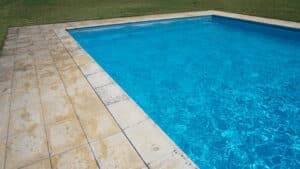
Pool decks face chlorine, saltwater, and constant moisture. They require sealants that resist chemicals and reduce slipperiness. Patios face sun exposure, foot traffic, and seasonal moisture. They need UV protection and water resistance. Driveways face oil, tire marks, and hot surfaces. They need sealers designed for stain resistance and durability.
Matching the sealer to the environment prevents early wear. It also reduces maintenance and protects the homeowner’s investment.
Houston Weather Demands Strong Products
Houston weather is predictable in one way. It stresses stone. Intense sunlight fades surfaces. Heavy rains soak the pores. Heat expands the stone. Humidity brings algae and mildew. Pool water adds chemical stress. Driveways get hot enough to weaken many poor quality sealants.
This is why we use TSS Pro Sealants. They are designed to handle harsh environments. They resist moisture. They support color retention. They protect against weather changes. They last longer because they are engineered for performance.
Stain Resistance Matters
Different surfaces need different kinds of stain protection. Driveways face oil stains and tire marks. Patio stones face food spills, rust, and mineral deposits. Pool decks face sunscreen, chlorine marks, and calcium buildup.
A strong stone sealant prevents these stains from sinking in. It gives homeowners time to clean spills before they cause damage. It also reduces long term maintenance.
Without proper sealing, stains become permanent. The stone absorbs them, and cleaning becomes almost impossible.
The Science Behind Sealants
Penetrating sealers work because of their chemical structure. They use silane, siloxane, and similar compounds. These compounds enter the pores of the stone. They bond with the mineral structure. They create a barrier that repels water and stains while allowing the stone to breathe.
This type of mineral bonding is discussed in conservation research, including information found at https://en.wikipedia.org/wiki/Stone_conservation.
This science is the foundation behind long lasting protection. It explains why professional sealers outperform retail products.
When to Reseal
Even the best sealers need maintenance. Sun, traffic, and weather slowly reduce the strength of the sealant. Most surfaces need resealing every two to five years. Pool decks may need more frequent care. Driveways may need less.
A simple water test helps. Pour a small amount of water on the surface. If the water beads, the sealant is active. If it absorbs quickly, the surface needs resealing.
Texas Stone Sealers guides homeowners through these steps so they know when maintenance is necessary.
For examples of sealed surfaces, visit https://texasstonesealers.com/our-work/.
Takeaway
Choosing the right stone sealant is not guesswork. It is a process based on stone type, climate, use, and long term goals. The correct sealant protects against water, stains, chemicals, and weather. It strengthens the surface. It reduces costly repairs. It preserves the beauty of patios, pool decks, driveways, and walkways.
Texas Stone Sealers uses professional grade TSS Pro Sealants because they match the demands of Houston’s environment and give homeowners lasting protection. If you want your stone to stay cleaner, stronger, and more vibrant for years, we can help you choose the correct sealer for your surface.


