Restoring Brick Pavers: A Complete Guide to Rejuvenating Your Patio
When restoring brick pavers, you can start by cleaning the surface thoroughly using a pressure washer or specialized paver cleaning solution. Once clean, apply a high-quality sealer to protect the pavers from future damage and keep them looking new. This process will help rejuvenate the appearance of your brick pavers while also providing long-lasting protection.
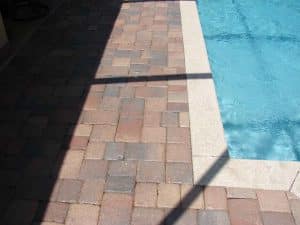
Steps to Restoring Brick Pavers
Restoring brick pavers may seem like a daunting task, but when done properly, restoring brick pavers can breathe new life into your patio and make it look brand new. The process of restoring brick pavers involves several important steps that are necessary for achieving lasting, impressive results. Let’s break down each step to understand how we can successfully restore our brick pavers without missing any crucial details.
Step 1: Inspection
Carefully scrutinizing the condition of your brick pavers is the essential first step on your journey in restoring brick pavers. Look for signs of damage, wear, or areas in need of repair. Identify any loose, chipped, or cracked pavers that require attention. By noting specific areas that need special care, you can streamline the restoration process and ensure thorough treatment. An inspection also allows you to spot any underlying issues and address them before proceeding further with restoring brick pavers.
Step 2: Cleaning
Once the inspection is complete, it’s time to roll up your sleeves and get into the cleaning process when restoring brick pavers. A deep clean serves as the bedrock of success when restoring brick pavers by removing accumulated dirt, grime, and any remnants of old sealant. Thorough cleaning not only prepares the surface for repairs but also uncovers the full extent of any damage. This clarity is crucial for deciding on the best repair approach for restoring brick pavers and ensures a smooth, uniform appearance after completion.
Step 3: Repairs
After identifying the damaged pavers and thoroughly cleaning the area, it’s time to address any cracks, chips, or loose bricks. Replace or reset these flawed pavers to ensure an even and stable surface. Properly addressing these smaller issues now can prevent larger problems in the future when restoring brick pavers, preserving both the aesthetic appeal and structural integrity of your patio.
Step 4: Resurfacing
Resurfacing is essential for restoring a uniform surface across your patio. Smooth out sunken areas by adding fresh sand between the pavers and then compacting and leveling them carefully. This process eliminates unevenness and restores structural stability to your patio, ensuring a seamless and level surface that contributes to both safety and visual appeal when your restoring brick pavers.
Step 5: Sealing
As a final touch when restoring brick pavers, applying a high-quality sealer is vital for protecting the newly restored brick pavers from wear and tear while enhancing their appearance. A good sealer helps extend the lifespan of your patio by preventing damage from the elements while enriching the natural colors of the bricks. It’s like giving your patio armor to withstand everyday use and maintain its beautiful look for years to come.
Cleaning Process for Brick Pavers
Cleaning your brick pavers is essential for their restoration. It’s not just about appearance but also damage prevention and maintaining their structure. The benefits are broad, but the process can seem daunting at first. However, with a little guidance, we can simplify this process and ensure that after restoring brick pavers they gleam like new while preserving their durability.
The first step to cleaning brick pavers involves a thorough inspection to identify stubborn or deep-set stains. Once identified, you can begin the general cleaning process. The gentlest and most effective approach is to use a mixture of water and mild detergent. This helps lift surface dirt and grime without causing damage to the pavers. We always prefer using environmentally friendly detergents here – while regular dishwashing soap will work, there are specially formulated detergents available explicitly designed for cleaning surfaces without harsh chemicals.
Picture this: think of your brick pavers as delicate garments that need special care when washing. Just like you wouldn’t throw a wool sweater in with your regular laundry load, harsh chemicals and abrasive cleaners should be avoided when cleaning your pavers.
For tough, stubborn stains that refuse to budge, a pressure washer set at a low to medium pressure can be highly effective in restoring brick pavers. It’s important not to set the pressure too high, as excessive force can cause damage to the paver surface over time.
Once again, it’s vital to emphasize avoiding harsh chemicals that can damage the pavers or harm nearby vegetation; it’s simply not worth the risk.
By employing these careful cleaning methods, we ensure that our brick pavers are restored to their full glory without any risk of harm to their beautiful surfaces or surrounding environments.
Strategies for Wash Away Debris
Our brick pavers may appear solid and sturdy, but they can actually be quite sensitive when it comes to the accumulation of debris. Engaging in regular sweeping and rinsing with a garden hose represents proactive measures.
Each time dirt or leaves gather on your patio, it creates a small crevice where moisture can accumulate. This moisture could lead to mold growth or even the staining of your pavers over time. Sweeping regularly prevents the debris from working its way deep into the nooks and crannies of your pavers where it becomes increasingly difficult to remove. For this task, a sturdy outdoor broom or leaf blower would suffice.
While sweeping helps keep the surface relatively clean, the area around your pavers also needs attention. Pay attention to landscaping features close by. Trimming overhanging branches and ensuring proper drainage will reduce the amount of organic material falling onto your pavers, thereby minimizing the need for frequent cleaning.
Rinsing to Prevent Debris Buildup
When you think about it, rainwater alone is not enough to thoroughly clean dirt off your brick pavers – it often just ends up pushing dirt into corners or more stubbornly held areas. A simple rinse with a garden hose can effectively wash away most dirt and soil accumulating on the surface of your pavers without much effort.
When using a garden hose to clean your brick pavers, remember to adjust the pressure based on the type of debris present – lower pressure settings are typically sufficient for loose dirt, while higher pressure may be needed for stubborn debris. Additionally, consider using a handheld nozzle attachment with multiple spray settings to better control water flow and direction for targeted cleaning.
If you notice oil stains or other stubborn marks, try adding a bit of mild detergent to the water to help lift these stains effectively without causing harm to your pavers. Be sure to follow this step up with a thorough rinse using clean water to prevent any residue from sticking around.
Prevention truly is key. Investing some time in proper care now can save us a lot of effort down the line as well as protect the beauty of our patios.
Repairing Damage Techniques for Brick Pavers
When it comes to rejuvenating your patio, addressing minor damage promptly is crucial to prevent more challenging issues down the line. For small cracks or chipped edges in your brick pavers, consider these simple repair techniques to maintain the integrity and attractiveness of your outdoor space.
First and foremost, start by clearing out the damaged area. Utilize a chisel or screwdriver to remove any loose, broken pieces of the paver. Carefully sweep and clean the area to ensure that it is free from any debris or loose particles. This step is vital for creating a stable and secure base for the repair.
Once the damaged area is cleared, add fresh sand to create a level surface for the replacement paver. Ensure to use a fine-grained sand that will provide a level foundation and allow for proper drainage beneath the paver.
Next, carefully fit the replacement paver into place. Ensure that it fits snugly and seamlessly with the surrounding pavers. Gently tap it into position with a rubber mallet to ensure that it is level and properly aligned with the existing pattern. This meticulous process helps guarantee that the repaired section blends harmoniously with the rest of your patio.
Remember, these techniques are most effective for addressing minor damage and safeguarding the visual appeal of your patio. However, for more extensive issues such as significant cracking or widespread damage, seeking professional assistance is advisable. A professional can accurately assess the severity of the damage and recommend appropriate measures for restoration, ensuring a lasting solution for your brick pavers.
By promptly addressing minor damage in your brick pavers using these techniques, you can uphold the charm and structural integrity of your patio while also preventing larger, costlier repairs in the future.
Effective Resurfacing of Bricks
Resurfacing brick pavers is crucial in maintaining a visually appealing patio space. Pavers can become uneven due to erosion, weathering, and general wear and tear, leading to an unattractive and unsafe surface. By adding a fresh layer of sand and carefully filling in the joints between the pavers, you can rejuvenate and level the appearance when restoring brick pavers.
After addressing any specific damages through repair techniques, resurfacing should be part of your maintenance plan to maintain appearance, safety, and integrity of the patio. Providing a level surface reduces tripping hazards and improves walkability.
Moreover, compacting the resurfaced pavers firmly sets them in place, preventing shifting or movement that could cause further damage. The outcome is a revitalized patio ready for all your outdoor activities.
For example, adding a fresh layer of sand to fill gaps between your pavers is like patching up a quilt – once every piece fits snugly together again, the whole quilt looks refreshed and seamless.
By diligently following these resurfacing steps, you can breathe new life into your patio, ensuring its longevity and preserving its charm for years to come.
Resurfacing brick pavers is a transformative process that restores stability and aesthetic appeal to your patio space. Let’s delve deeper into the practical application of these resurfacing methods.
Comprehensive Guide for Sealing Joints
When it comes to preserving the integrity of your brick pavers, sealing the joints is crucial. The primary purpose of sealing the joints when restoring brick pavers is to prevent unwanted weed growth, insect infestation, and erosion. These issues can take away from the overall stability and longevity of the paver installation. By creating a barrier between the joint spaces, high-quality polymeric sand serves as a protective shield against these common threats, safeguarding the overall appearance and functionality of your patio or walkway.
Most people think of weeds as bothersome plants that pop up uninvited in their gardens and lawns. But even between hard surfaces like brick pavers, weeds can stubbornly establish themselves if they find any space to take root. By meticulously filling every joint with polymeric sand, you’re taking a proactive measure against these infiltrators that can compromise the visual appeal and structural soundness of your carefully laid brick pavers.
We recently had a client who neglected to seal their paver joints. Just a few months later, they were dismayed to find small weeds sprouting between their beautiful brick pavers. Not only did this detract from the aesthetic appeal of their patio, but it also raised concerns about how much damage these weeds could be causing under the surface of the installation. Sealing these joints isn’t just about keeping out unwanted greenery; it’s also a line of defense against destructive external forces. Insects can burrow into unprotected joint spaces, potentially destabilizing the interlocking structure of the pavers.
Moreover, without proper sealing, erosion can wear away at the joint spaces, compromising the overall stability and longevity of the entire installation. This highlights just how critical it is to invest in this preventive measure.
Polymeric sand has become a popular choice for sealing paver joints because it’s specially designed to harden when exposed to moisture. This hardening process creates a sturdy barrier within the joint spaces while still allowing for some flexibility. It effectively locks the individual pavers together, minimizing movement and reducing the likelihood of developing unsightly gaps over time.
In summary, sealing your brick paver joints serves as an essential protective measure against weed encroachment, insect infestation, and erosion. It ultimately ensures that your paver installation remains structurally sound and visually appealing for years to come.
Protection Against Future Damage
Now that the hard work of resealing your brick pavers is complete, it’s crucial to focus on protection to ensure the longevity of your investment. Professional sealants specifically formulated for brick pavers play a vital role in shielding them from various types of damage and maintaining their pristine appearance for years to come.
By utilizing a professional-grade sealant after restoring brick pavers, you’re not only safeguarding your brick pavers from common enemies such as fading, staining, and water damage but also providing UV resistance. This is key in maintaining the color and appearance of the pavers over time, ensuring they remain vibrant and beautiful even after being exposed to harsh sunlight for extended periods.
Imagine your patio exposed to harsh sunlight, heavy rains, and occasional spills. Without proper protection, the natural colors of your brick pavers can quickly fade, leaving your once-beautiful patio looking worn-out and lackluster. However, with a professional sealant in place, you can shield your investment from these damaging effects and preserve its aesthetic charm for years to come.
Moreover, when properly sealed, your brick pavers become more resistant to pollutants and environmental contaminants. These can include oil spills, grime, and dirt buildup over time. Regular foot traffic and external elements can take their toll on the appearance of your patio or walkway, making it more challenging to maintain its original beauty. A protective sealant acts as a barrier, preventing these substances from penetrating deep into the pavers, making cleaning and maintenance much easier.
In addition to these protective benefits, proper sealing provides durability by minimizing erosion due to water damage. It prevents water from seeping into small cracks and crevices within the pavers, helping to maintain their structural integrity over time. This is particularly important in areas with heavy rainfall or frequent exposure to moisture.
Best Practices for Applying Polymer Sealer
When it comes to applying a polymer sealer to rejuvenate your patio, precision and technique are crucial. To ensure the longevity and effectiveness of the sealing process, it’s vital to adhere closely to the manufacturer’s guidelines. Each brand of polymer sealer may have different recommendations, so it’s important to carefully read and understand these instructions before you start.
In this context, even application is pivotal for achieving optimal protection and aesthetic enhancement when restoring brick pavers. Uneven application can create areas of vulnerability where the sealer might not effectively repel water and prevent staining. Therefore, enlisting the services of a professional ensures thorough and long-lasting results.
For instance, a professional service provided by our expert team at Texas Stone Sealers guarantees that every square inch of your brick pavers is treated with equal care and attention. Our professionals possess extensive experience in applying polymer sealers and have in-depth knowledge of the specific requirements for each type of paver material.
Choosing professional services for restoring brick pavers means investing in an extensive process that involves meticulous surface preparation, precise application, and quality finishing.
By entrusting your rejuvenation project to reputable professionals like Texas Stone Sealers, you can rest assured that your brick pavers will receive the highest standard of care, leaving you with an attractive and resilient outdoor space for years to come.
With proper application and expert care, your rejuvenated brick pavers will stand as a testament to both form and function. Enjoy your beautiful patio!


