Why Limestone Pool Decks in Texas Need Sealing Sooner Than Homeowners Think
Limestone pool decks in Texas need sealing sooner than homeowners think because limestone is porous, pool areas stay wet, and Texas weather works hard on outdoor stone all year long.
We see this all the time.
A homeowner calls us because the deck is starting to look tired. Maybe the limestone has lost its clean color. Maybe it is holding dirt. Maybe there is some white buildup starting to show. Maybe the surface just does not look as fresh as it did a year or two ago. Usually, they think the problem just started.
Most of the time, it started earlier.
That is the part we try to help people understand. Outdoor limestone around a pool does not go from “perfect” to “ruined” overnight. It usually wears down in stages. The problem is that by the time the signs become obvious, the stone has often been taking on moisture and surface contamination for a while. Texas Stone Sealers says across its site that pool coping, patios, decks, natural stone, and concrete all need protection from moisture and weather exposure, and we also explain that pool coping takes a relentless beating from chlorine, saltwater, or both.
That same reality applies to limestone pool decks.
We do not look at sealing as something you do after the surface looks bad. We look at it as what helps keep the surface from getting there so fast.
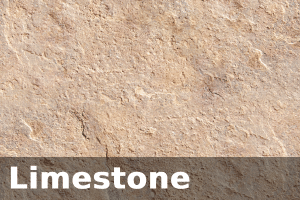
We know limestone is beautiful, but we also know it is porous
That is the first thing we want homeowners to understand.
We love limestone. It can look clean, natural, and high-end around a pool. It works well in a lot of Texas homes. But just because limestone is natural stone does not mean it can sit outside unprotected forever. We repeatedly explain that natural stone should be cleaned, protected, and sealed if you want it to hold up better in Texas conditions.
Porosity is the real issue.
Because limestone is porous, it can take in moisture more easily than many homeowners realize. That does not always show up right away. But over time, it can lead to staining, discoloration, mineral buildup, and a surface that just feels harder to keep looking right.
That is why we often tell people their limestone may be due for sealing before they think it is.
We know pool decks stay wet in more ways than people realize
Most people think about rain first.
We think about the full picture.
Pool decks deal with splashout, wet feet, pool cleaning, irrigation drift, humidity, storms, and the general moisture that comes with outdoor living in Texas. If it is a saltwater or chlorinated pool, the chemistry of that water matters too. We say clearly on our pool coping pages that pool surfaces get hit hard by chlorine, saltwater, or both, which is why we offer dedicated cleaning and sealing services for those areas.
That constant exposure matters.
A limestone deck around a pool does not just get wet once in a while. It gets wet over and over. Then it dries. Then it gets wet again. Those repeated cycles are tough on porous stone when the surface is left underprotected.
We build our recommendations around Texas weather because Texas weather is not gentle
Outdoor stone in Texas has a hard life.
We see the same pattern all over the state. Heat. UV exposure. Sudden rain. Humidity. In some areas, even freeze events from time to time. We repeatedly point out that changing weather conditions and frequent moisture exposure make outdoor stone more vulnerable to damage and make sealing more important.
That is one reason we push homeowners not to wait too long.
Texas weather does not pause while you decide.
The stone keeps aging.
We usually spot the warning signs before the homeowner realizes what they mean
This is where our experience comes in.
When we look at a limestone pool deck, we are not just asking whether it still looks “pretty good.” We are looking for the early signs that protection is falling behind.
That can include:
- A dry or chalky appearance
- Dirt sticking more than it used to
- Uneven color
- White haze or mineral buildup
- A surface that is harder to clean
- Areas near the pool that look more stressed than the rest
We have separate services for calcium removal, efflorescence removal, cleaning, and resealing because these problems are common enough that they deserve direct attention.
That tells you something.
The surface does not have to be in terrible shape before it needs help.
We believe sealing sooner is usually cheaper than restoring later
This is one of the plainest truths in our line of work.
Routine protection is usually cheaper than corrective work.
Once a limestone deck starts collecting buildup, holding stains, or looking uneven, the service often becomes more than just a straightforward sealing visit. We may need to clean deeper, remove calcium or efflorescence, strip old material, or restore the surface before we can even apply fresh protection. Our published process includes stripping old sealants, chemical cleansing, mold and mildew removal, stain removal, calcium and efflorescence removal, and then sealant application.
That is a very different job than timely maintenance.
So when we tell homeowners to seal sooner than they think, we are not trying to create urgency for the sake of it. We are trying to help them avoid turning a simpler job into a much bigger one.
We know replacement is expensive, which is exactly why maintenance matters
This part gets real fast.
Pool decking is not cheap to replace. Limestone is an investment. Homeowners choose it because it looks good and helps create a more polished outdoor space. We say on our site that maintaining the beauty of pool coping matters because replacement is a huge expense.
We feel the same way about limestone decks.
If the surface still has good years left in it, it makes sense to protect it before neglect takes those years away.
That is the smarter use of money.
We tell homeowners to watch the small changes, not just the big failures
If you have a limestone pool deck, we would tell you to pay attention if:
- The surface looks duller than it used to
- Water seems to soak in differently
- The deck stains more easily
- White deposits are starting to show
- Cleaning no longer gets the same result
- Splash areas are aging faster than the rest
Those signs do not mean the deck is done for.
They usually mean it is time to act before the service gets heavier.
Takeaway
Limestone pool decks in Texas need sealing sooner than homeowners think because we know how porous stone, constant moisture, and hard Texas weather work together over time. If you wait until the deck looks obviously bad, you are usually late. We recommend sealing on time so you can protect the look of the stone, reduce buildup and staining, and avoid turning a simpler maintenance job into a bigger restoration project. That is why limestone pool decks in Texas need sealing sooner than homeowners think.


